Rodent-Contaminated Attic Insulation
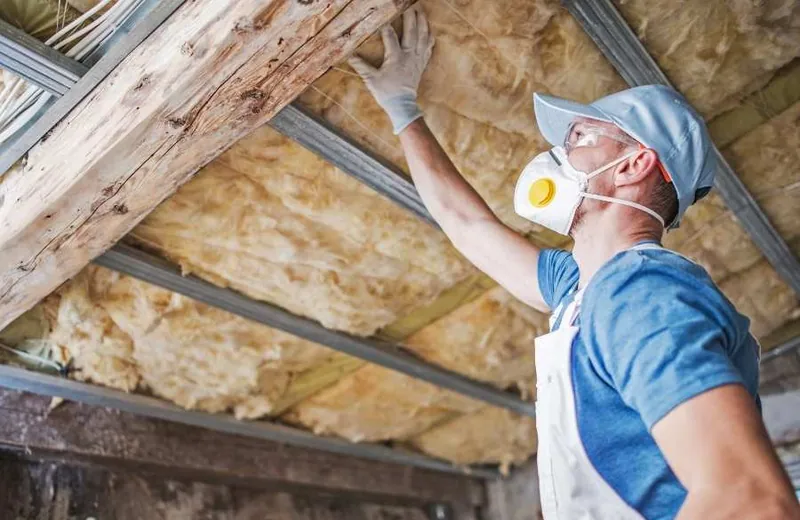
Roof rats nest in attic insulation and fill it with droppings, urine, and tunnels. Contaminated insulation smells, loses most of its R-value, and can release allergens and pathogens into the house through ceiling gaps and leaky ducts. You can't safely cover it with new material.
Why it happens here: Roof rats are common throughout coastal Orange County. The mature trees, ivy, and fruit trees in older neighborhoods give them easy routes onto roofs. Sixty-year-old ranch homes tend to have gaps at the eaves, worn vent screens, and pipe penetrations they can squeeze through. Inside, the soft old fiberglass and loose-fill makes good nesting material. Owners often notice only after hearing scratching at night or smelling something during a heat wave, when the attic warms up and the odor gets worse.
Signs to look for
- Scratching or running sounds in the ceiling at night
- Musty or ammonia-like odor, worse on hot days
- Droppings visible near the attic hatch
- Tunnels, flattened trails, or nests in the insulation
- Chewed wiring, duct wrap, or vent screens
- Allergy symptoms that flare indoors
Local patterns: We see this most in Rossmoor and Old Town West, where big trees overhang the roofs, and in Carrier Row homes near the Coyote Creek and San Gabriel River corridors. Families with young children and older owners usually want it handled right away.
How we fix itWe vacuum out all contaminated insulation, sanitize and deodorize the attic, seal rodent entry points, and then install fresh insulation.
Settled, Under-Spec Attic Insulation
This is original insulation that started at R-11 or less and has since settled, compressed, or been moved around. Many Los Alamitos attics now have only 2–3 inches of effective coverage. Current Title 24 levels for alterations call for roughly R-38 to R-49.
Why it happens here: Most homes here were built between the mid-1950s and the 1960s, when insulation standards were minimal. Over the decades, electricians, cable installers, and HVAC crews crawled through these shallow attics and pushed the material aside. Because winters are mild, many owners never thought about it. Then August through October brings 90-degree days, the dark roofs heat the attic, and the ceiling radiates heat into the bedrooms. The AC runs all afternoon and the SCE bill climbs.
Signs to look for
- You can see ceiling joists poking above the insulation
- Ceilings feel warm to the touch on summer afternoons
- AC runs constantly from August through October
- High summer SCE bills compared with neighbors
- Uneven coverage with bare spots near the hatch
- Insulation looks gray, flattened, or thin
Local patterns: Single-story ranch tracts in Carrier Row, Old Town West, College Park East, and Los Altos usually have the same original specs, so the same low R-values show up house after house.
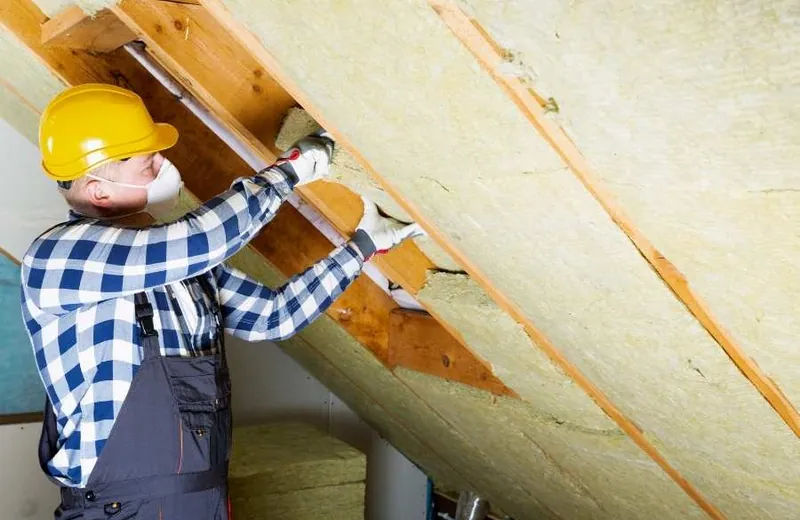
How we fix itWe check depth and coverage, air seal open penetrations, then blow in new insulation to R-38–R-49 and install depth markers for inspection.
Hot Second-Story Additions and Rear Rooms
Rooms added after the original build that run 5–15 degrees warmer than the rest of the house. The cause is usually insulation gaps, missing air barriers, or poorly insulated knee walls and sloped ceilings where new framing meets old.
Why it happens here: Many Rossmoor and Los Alamitos ranch homes have been enlarged with second stories, rear family rooms, or vaulted ceilings. Different crews did that work over different decades, and the transition areas between old and new framing often got little attention. Knee walls without backing, open floor cavities over the garage, and sloped ceilings with almost no space for insulation all let heat in. The added rooms also tend to sit at the end of long duct runs through a hot attic.
Signs to look for
- Upstairs bedroom is noticeably hotter in late summer
- Thermostat setting doesn't match how the room feels
- Drafts at knee-wall access doors
- Hot spots on sloped or vaulted ceilings
- Room over the garage is cold in winter and hot in summer
Local patterns: This is very common in Rossmoor, where many homes have added second stories, and in Los Alamitos homes with converted patios or family-room additions. Vaulted ceilings in the newer infill homes also show it.
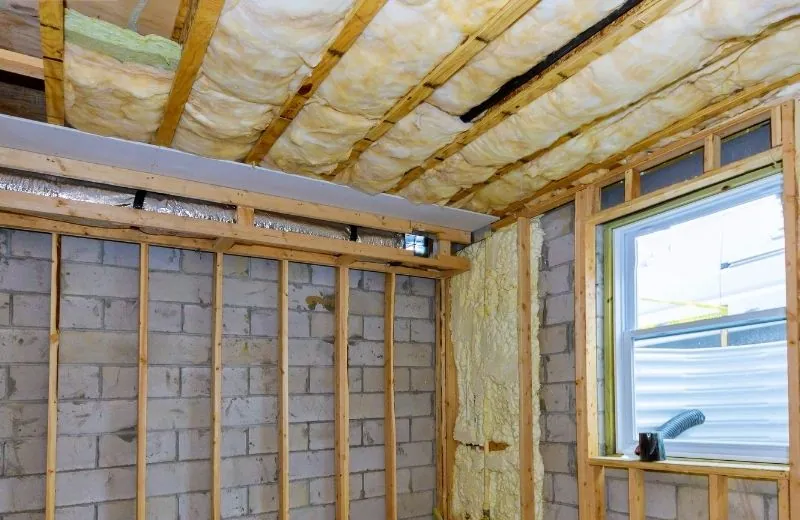
How we fix itWe find the gaps, then use closed- or open-cell spray foam in tight cavities and knee walls, sealing the connections between old and new framing.
Attic Air Leaks Letting in Dust and Smoke
Unsealed openings between the attic and the living space, such as recessed cans, top plates, chases, the attic hatch, and wiring holes. Air moves through these gaps whenever pressure changes, carrying attic dust, insulation fibers, and outdoor smoke into your rooms.
Why it happens here: Fall Santa Ana winds blow fine dust into attics through roof vents, and sometimes wildfire smoke as well. In a typical 1950s–60s home, recessed lights, plumbing chases, and top plates were left open to the attic, so that dirty air gets pulled into the house every time the AC or a bath fan runs. Leaky attic ductwork makes it worse. This is why air sealing matters as much as R-value in this climate.
Signs to look for
- Dark dust lines on carpet edges or around ceiling vents
- Dust comes back quickly after cleaning
- Smoky smell indoors during fire season
- Allergy or asthma symptoms that are worse at home
- Drafts around recessed lights or the attic hatch
- Gray streaks on insulation above leak points
Local patterns: This is especially noticeable near the I-405, I-605, and Katella Avenue corridors and in homes with many original can lights. Households with allergies or young children in Rossmoor and Los Alamitos often notice it first.
How we fix itWe seal top plates, chases, wiring holes, and the hatch, and install IC-rated covers over old can lights before adding insulation.
Condensation and Matted Insulation from Bath Fans
Moisture that collects in the attic because bath or kitchen fans vent straight into the attic space instead of outside, made worse by poor ventilation. Damp insulation mats down, loses R-value, and can lead to mildew on the roof sheathing.
Why it happens here: The marine layer pushes humid, salty air inland during May Gray and June Gloom. When a bathroom fan dumps shower steam into an attic that already doesn't vent well, the moisture has nowhere to go. Many older homes had fans added later, and installers often ran the duct a few feet into the attic and stopped. Low-slope roofs with limited vent area make it worse.
Signs to look for
- Musty smell in the hallway or bathroom
- Clumped, dark, or matted insulation near the fans
- Water stains on the ceiling around fan housings
- Mildew spots on the underside of the roof deck
- Rusty nail tips coming through the sheathing
Local patterns: Most common in homes closest to the coast, such as College Park East and West and Leisure World, and in 1960s–70s condos with shared attics and fans added later.
How we fix itWe remove the damaged insulation, run the fan ducts to exterior terminations, check ventilation, and then reinsulate the dried, cleaned attic.
Hot Attic Ductwork Losing Cooling
HVAC ducts in a hot attic with thin insulation and leaky joints. Cooled air picks up heat before it reaches the rooms, and leaks push conditioned air into the attic instead of the house.
Why it happens here: When ranch homes in the area were retrofitted with central air, the ducts usually went into the attic because the houses sit on slabs and there's nowhere else to put them. On a dark roof in a September heat wave, that attic can be far hotter than the outdoor air. Old duct wrap gets crushed under insulation or chewed by rats, and joints separate over time. Title 24 can require duct sealing and HERS testing when HVAC equipment is replaced.
Signs to look for
- Weak airflow at registers far from the unit
- The AC runs constantly but rooms stay warm
- Duct wrap that is torn, chewed, or crushed
- Visible gaps or disconnected joints at fittings
- Very high SCE bills from August through October
Local patterns: Shows up in nearly every slab-on-grade ranch home in Los Alamitos, Rossmoor, Cypress, and West Garden Grove. It often comes to light when owners replace an aging AC system.
How we fix itWe bury or insulate the ducts in the attic and coordinate duct sealing with your HVAC contractor before installing new attic insulation.
Aircraft and Traffic Noise
Outside noise from helicopters, aircraft, and freeway traffic coming through thin attic insulation and empty stucco walls. It isn't a safety issue, but it affects sleep, work-from-home calls, and how comfortable the house feels.
Why it happens here: The Joint Forces Training Base Los Alamitos borders the city, and helicopter and aircraft activity there is regular. The I-405, I-605, and Katella Avenue carry heavy traffic. Older homes with very little attic insulation and uninsulated walls do little to stop sound. Dense insulation and good air sealing reduce how much noise gets inside.
Signs to look for
- Helicopter noise clearly audible indoors
- Freeway hum in bedrooms at night
- Hearing outside conversations through walls
- Sound coming through recessed lights and vents
Local patterns: Most noticeable for homes near the Joint Forces Training Base, along Katella and Los Alamitos Boulevard, and near the freeways in Rossmoor and Hawaiian Gardens.
How we fix itWe install dense blown-in or spray foam insulation and seal attic openings to cut down on outside noise.